Cosmetic Dentistry for Beginners: Everything You Need to Know
@emilianojsih274
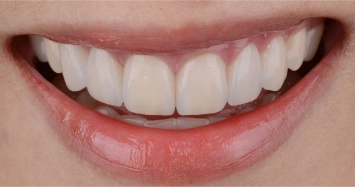
A better smile can change how people carry themselves, but cosmetic dentistry is often misunderstood. Many first-time patients assume it is purely about vanity, or that it always means shaving down healthy teeth for dramatic veneers. In practice, Cosmetic Dentistry sits at the intersection of appearance, function, and oral health. The right treatment can brighten stained enamel, close a distracting gap, repair a chipped front tooth, or rebalance a smile that has never felt quite right. The wrong treatment, chosen too quickly, can create expense, maintenance, and regret.
If you are new to the subject, the hardest part is not learning what procedures exist. It is learning how to think about them. A good cosmetic plan is not built around trends or social media before-and-after photos. It starts with your face, your bite, your habits, your budget, and your tolerance for maintenance over the next five, ten, or twenty years.
What cosmetic dentistry actually covers
Cosmetic dentistry focuses on improving the appearance of teeth and gums, but it rarely stops there. Dentists who do this well pay close attention to proportion, color, symmetry, lip support, speech, chewing comfort, and gum display. A smile that looks attractive in a photograph still has to function every day through coffee, meals, clenching, brushing, and aging.
That is why cosmetic work often overlaps with restorative care. A patient may come in wanting whiter teeth, only to learn that old fillings on the front teeth will stand out after whitening and need replacement. Someone asking for veneers may actually need orthodontic movement first because the teeth are crowded or protrusive. Another patient may dislike short-looking teeth when the real issue is grinding that has worn them down over time.
For beginners, this is one of the most important ideas to understand: cosmetic dentistry is not a menu of isolated beauty treatments. It is a treatment philosophy that tries to improve appearance without ignoring biology and mechanics.
The most common reasons people seek treatment
Most cosmetic concerns are straightforward. Teeth darken with age, coffee, tea, red wine, tobacco, and certain medications. Small chips happen after years of use or one careless bite on a fork. Front teeth can look uneven because they actually are uneven, or because gum levels make them appear that way. Some people have naturally small lateral incisors, spaces between teeth, old dental work that no longer matches, or a smile line they feel is too gummy.
There is also an emotional side that patients do not always mention right away. Some stop smiling fully in photos. Some cover their mouth while laughing. Others feel their teeth make them look older or less healthy than they are. Those concerns are valid, and they are often what finally pushes someone to book a consultation after years of thinking about it.
Still, cosmetic goals vary widely. One patient wants movie-screen uniformity. Another wants their smile to look exactly the same, just cleaner and less worn. The best results usually come from clarity on that point. Natural-looking cosmetic dentistry often requires more skill, not less, because the aim is refinement rather than obvious transformation.
Whitening is usually the gateway treatment
Teeth whitening is often the first step because it is conservative, relatively affordable, and capable of making a noticeable difference without reshaping the teeth. For many people, that is enough.
There are two main approaches: in-office whitening and take-home whitening using custom trays. In-office systems tend to work faster and are useful when someone wants a quicker change. Take-home trays often offer more control and can be especially effective when used consistently over a week or two, sometimes longer depending on the starting shade and the product concentration. Drugstore strips and over-the-counter kits can help, but they are less tailored and may not fit evenly.
Whitening is not perfect, and beginners should know its limits. It works best on natural tooth structure. It does not reliably whiten crowns, veneers, or tooth-colored fillings, which means mismatched dentistry can become more obvious after treatment. It may also cause temporary sensitivity, especially in people with gum recession, enamel wear, or a history of sensitive teeth. That sensitivity is usually manageable, but it matters.
A common scenario in practice goes like this: a patient wants bonding on a front tooth and whitening too. If the bonding is done first, it will be matched to the old shade. If whitening comes first, the dentist can match the bonding to the brighter result. Small sequencing choices like that make a real difference.
Bonding can be remarkably effective when used carefully
Dental bonding uses tooth-colored composite resin to improve shape, repair chips, close small spaces, and mask certain discolorations. It is one of the most versatile tools in cosmetic dentistry, especially for patients who want a minimally invasive option.
When done well, bonding can look excellent. It can add length to worn edges, soften a sharp corner, widen a narrow tooth, or reshape a peg lateral without aggressive drilling. In some cases, no anesthetic is needed because little or no tooth reduction is involved. The appointment is often completed in one visit.
The trade-off is durability and maintenance. Composite does not resist stain and wear as well as porcelain. It can chip, pick up discoloration over time, or lose polish if a person grinds their teeth, chews ice, bites their nails, or frequently consumes staining foods and drinks. For the right patient, bonding is an elegant and conservative solution. For the wrong patient, it turns into a cycle of repairs.
This is where honest case selection matters. A patient with excellent bite stability and a small chip on one front tooth may do beautifully with bonding for years. A heavy grinder asking for edge lengthening on all six upper front teeth may be better served by a different plan, or by bite management before any cosmetic work begins.
Veneers are popular, but they are not the beginner answer to every problem
Few treatments generate more interest, and more confusion, than veneers. Porcelain veneers are thin shells bonded to the front surfaces of teeth to improve shape, color, alignment appearance, and overall smile design. They can be stunning when planned well. They can also be overused.
Veneers are often appropriate when teeth are intrinsically discolored and resistant to whitening, when there are multiple shape issues across the smile, when minor alignment concerns can be disguised without orthodontics, or when someone wants a more comprehensive and durable aesthetic change. They resist staining better than composite and can produce very lifelike light reflection when made by a skilled lab.
What beginners need to understand is that veneers are not always reversible in a meaningful sense. Even so-called minimal-prep cases usually involve some alteration, and once a tooth has been prepared for a veneer, it will always require continued maintenance in some form over time. Veneers do not last forever. Longevity depends on design, materials, bite forces, oral hygiene, habits, and craftsmanship, but many patients should think in terms of eventual replacement rather than a one-time permanent fix.
There is also a difference between treating one tooth and treating a smile. Matching a single veneer to natural adjacent teeth can be technically demanding. Doing eight or ten veneers creates greater control over color and symmetry, but it also commits more teeth to long-term restoration. That is a serious choice, not an impulse purchase.
Clear aligners and braces often make cosmetic work better
Many people seeking cosmetic changes are surprised to learn that moving teeth, not covering them, may be the better first step. Clear aligners and braces can straighten crowding, close spaces, reduce protrusion, and improve the way upper and lower teeth meet. Once the teeth are in better positions, the cosmetic phase can become simpler and more conservative.
A classic example is the patient with one front tooth overlapping another. Veneers could make the teeth appear straighter, but only by removing enough structure to create the illusion of alignment. Orthodontics may take several months, but it preserves tooth structure and often Cosmetic Dentistry leads to a healthier, more stable result. Afterward, a little whitening or minor bonding may be all that is needed.
This does not mean everyone who wants a cosmetic improvement should start with aligners. Some adults do not want the time commitment. Some have concerns that are too small to justify comprehensive movement. Others have old dental work, recession, or bite patterns that affect what is realistic. Still, beginners should know that orthodontics is frequently the most conservative path to a beautiful smile.
Crowns, gum reshaping, and other treatments that may enter the conversation
Not every cosmetic concern is solved with whitening, bonding, veneers, or aligners. Some teeth need crowns because they are heavily filled, structurally weakened, root canal treated, or previously damaged. A crown covers more of the tooth than a veneer and is usually chosen when strength matters as much as appearance.
Gum reshaping can help when teeth appear short or uneven because excess gum tissue changes their proportions. In the right case, carefully recontouring the gums can create a more balanced frame around the teeth. When gum issues are more complex, a periodontist may become part of the team.
Tooth replacement can also have a cosmetic dimension. Implants, bridges, and partial dentures are not usually discussed as beginner cosmetic procedures, but a missing tooth in the smile zone is both a functional and aesthetic problem. Shade matching, gum contour, and the emergence profile of the restoration all matter.
The bigger point is this: attractive dentistry often requires treating what is underneath the visible complaint. If a patient has uncontrolled gum inflammation, active decay, unstable bite forces, or severe grinding, cosmetic treatment should not race ahead.
What makes a smile look natural
People often say they want a “perfect” smile, then reject examples that look too perfect. That happens because natural beauty has variation. Real smiles have texture, translucency, slight asymmetry, and age-appropriate character. Teeth are not flat white tiles.
A good cosmetic dentist studies several details at once. Tooth shape should suit the face and personality. Broad, square teeth can read differently from softer, rounded forms. The incisal edges, the lower outline of the upper front teeth, affect how youthful or mature a smile appears. Gum levels should frame the teeth evenly without looking artificial. Tooth color should complement skin tone and the whites of the eyes rather than chase the brightest shade available.
One of the most common mistakes beginners make is focusing only on whiteness. Extremely opaque, very bright restorations can look unnatural, especially if a person is older or if only a few front teeth are treated. A natural smile usually contains layers of color and light, with subtle differences from tooth to tooth. The best cosmetic work often draws compliments without people being able to identify exactly what changed.
The consultation matters more than the procedure brochure
The first cosmetic consultation should feel less like a sales pitch and more like an investigation. A good dentist will ask what bothers you, what you like in other smiles, whether you want subtle change or a major transformation, and how much upkeep you are comfortable with. They should examine your gums, bite, jaw function, enamel condition, old restorations, wear patterns, and smile at rest as well as in motion.
Photographs are extremely useful. They allow both patient and dentist to assess symmetry, tooth display, gum show, and how the smile fits the full face. In more involved cases, digital smile design tools, wax-ups, or mock-ups can help preview shape changes before anything irreversible happens. These are not gimmicks when used thoughtfully. They reduce guesswork.
At this stage, the right dentist will also talk about limits. Whitening may not erase deep internal discoloration. Bonding may need touch-ups. Veneers may improve apparent alignment but not correct a bite problem. If those conversations are missing, be cautious.
Questions worth asking before you commit
A beginner does not need to become a dental expert, but a few practical questions can reveal a lot about a treatment plan.
- How conservative is this option compared with the alternatives?
- What maintenance should I expect over the next five to ten years?
- Will this treatment change healthy tooth structure permanently?
- How will my bite, grinding habits, or gum health affect longevity?
- Can I see examples of cases similar to mine, not just dramatic smile makeovers?
The answers should be specific. “It depends” can be honest, but it should be followed by an explanation rooted in your case.
Cost, value, and why cheap cosmetic dentistry can get expensive fast
Fees vary by region, dentist experience, materials, lab quality, and case complexity. Whitening may cost a few hundred dollars or more depending on the method. Bonding can range widely per tooth. Veneers and crowns often represent a larger investment, particularly when premium ceramics and custom lab work are involved. Orthodontic treatment has its own broad range based on complexity and duration.
The important point is not to chase the lowest quote without understanding what is included. Cosmetic dentistry depends heavily on planning time, clinical technique, and laboratory artistry. Two veneers can look very different even if the material name is the same. Bite adjustment, photography, provisionals, mock-ups, retention, and follow-up care all influence the final outcome.
There is also the hidden cost of revisions. A bargain treatment that chips repeatedly, feels bulky, inflames the gums, or looks unnatural may cost more to correct than a better-done original plan. Patients feel that pain twice, once financially and once emotionally.
How long results usually last
Longevity is a fair question, but it is not a simple one. Whitening fades and often benefits from periodic top-ups. Bonding may look great for several years, but edge wear, staining, and repairs are common depending on habits and bite. Porcelain veneers and crowns can last many years, sometimes well over a decade, yet they are still restorations subject to wear, debonding, fracture, gum changes, and eventual replacement.
Night grinding changes the equation significantly. I have seen beautiful anterior work damaged early in patients who never wore the protective night guard they were given. On the other hand, I have seen modest bonding hold up surprisingly well in patients with stable bites and careful habits.
Maintenance is not a sign that treatment failed. It is part of owning cosmetic dentistry. Polishing, touch-ups, replacement of old margins, and periodic reviews are normal.
Warning signs that a plan may not be right for you
Cosmetic treatment should feel deliberate, not rushed. If a provider recommends extensive veneers within minutes, without discussing alternatives such as whitening, bonding, or orthodontics, that deserves Cosmetic Dentistry scrutiny. The same goes for promises of permanent perfection or pressure to commit immediately to a large case.
Be wary if your existing bite, clenching, gum health, or old restorations are barely discussed. Attractive dentistry that ignores those factors often ages poorly. Another concern is a one-size-fits-all smile style. People do not all benefit from the same tooth shape, length, or brightness. Good cosmetic dentistry should look like it belongs to you.
Caring for cosmetic work once it is done
The habits that protect natural teeth also protect cosmetic restorations, though some matter even more afterward. Daily brushing and flossing are the baseline. Regular professional cleanings help preserve polish and gum health around the work. If you have been given a night guard, wear it. It is one of the least glamorous but highest-value pieces of the whole investment.
A few habits are particularly hard on cosmetic results.
- Grinding or clenching without protection
- Using teeth to open packages or bite hard objects
- Frequent exposure to staining drinks without reasonable care
- Skipping reviews when something feels rough, loose, or high
- Smoking or nicotine use that affects color and gum health
Most failures do not arrive dramatically. A small chip, a rough edge, a dark line at a margin, or increasing sensitivity often starts the story. Early attention can keep a minor issue from turning into a replacement.
Choosing the right starting point
For most beginners, the smartest path is the least invasive one that can reasonably achieve the goal. That often means cleaning and gum care first, then whitening, then reassessment. Sometimes the answer is a tiny amount of bonding. Sometimes it is aligners followed by whitening. Sometimes veneers really are the best solution, but they should feel earned by the diagnosis, not selected by default.
If you are unsure, a second opinion can be valuable, especially for larger cases. Cosmetic dentistry is part science, part engineering, and part art. There can be more than one acceptable approach, but there should always be a clear rationale behind the recommendation.
The best outcomes usually share a few traits. The patient understands the trade-offs. The dentist respects healthy tooth structure. The smile suits the face rather than overpowering it. And the plan accounts for what happens after the “after” photo, because that is where real life begins.
Toothworks of Bakersfield, Dentist and Orthodontist
1030 H St #1, Bakersfield, CA 93304, United States
+1 661-323-9421
FAQ About Cosmetic Dentistry
Is bonding better than veneers?
Neither option is best for everyone. Composite bonding can address small chips, gaps, or shape concerns and is generally easier to repair. Porcelain veneers may offer greater resistance to staining and wear, but often require removal of some enamel. A dentist should assess your oral health, bite, goals, and budget before recommending treatment.
How long will dental bonding last?
Bonding commonly lasts about three to ten years before it needs repair or replacement, though this varies with the location and amount of bonding, your bite, and daily habits. Regular dental visits, good oral hygiene, and avoiding chewing hard objects can help protect it. Ask your dentist what lifespan is realistic for your particular treatment.
What are the risks of teeth whitening?
Whitening can cause temporary tooth sensitivity and gum irritation. Overuse or incorrect use may damage teeth or gums, and whitening does not change the color of existing crowns, veneers, or fillings. Have a dentist assess your teeth and gums, and follow the recommended product directions and treatment schedule.