The Emotional Benefits of Cosmetic Dentistry You Should Know
@emilianojsih274
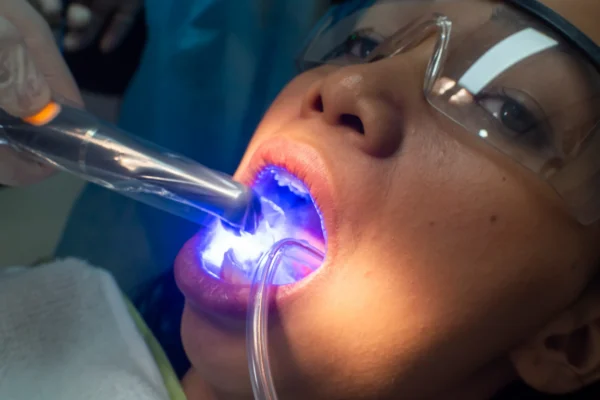
A healthy smile is often discussed in terms of function. Teeth should bite properly, gums should stay free of disease, and routine care should prevent pain. Yet anyone who has worked closely with patients, or spent time reflecting on their own relationship with appearance, knows that teeth affect far more than chewing and oral hygiene. Cosmetic Dentistry sits at the point where health, identity, confidence, and social ease meet. That intersection is emotional before it is aesthetic.
People rarely book a cosmetic consultation because they have simply noticed a minor flaw in the mirror and decided to upgrade it the way they might change a paint color in the kitchen. More often, there is a backstory. Someone has spent years covering their mouth when they laugh. Someone has avoided photographs at weddings or graduations. Someone has learned to smile with closed lips because one darkened tooth, one broken edge, or years of staining have made them feel exposed. The technical treatment might involve whitening, veneers, bonding, aligners, or crowns, but the deeper issue is often relief, not vanity.
That distinction matters. When cosmetic work is done thoughtfully, the emotional shift can be significant. It can ease self-consciousness, soften old embarrassment, and help people move through work and personal life with less internal friction. It does not solve every confidence issue, and it should never be sold as a shortcut to happiness. Still, its psychological value is real and, in many cases, underestimated.
Why smiles carry so much emotional weight
The face is where social interaction begins. Before a person speaks, their expression communicates warmth, openness, anxiety, tension, and self-assurance. The mouth plays a central role in that exchange. A smile can defuse awkwardness, establish rapport, and signal trust. When someone feels insecure about their teeth, they often begin to manage their face rather than use it naturally. That effort can be exhausting.
This is one reason concerns Cosmetic Dentistry about chipped, crooked, discolored, worn, or uneven teeth can feel disproportionate to outsiders. A friend might say, “I barely notice it,” and genuinely mean it. But the person living with that concern notices it every day. They see it in mirrors, on video calls, in family photos, and in the split second before they laugh. Emotional strain tends to build in these repetitive moments. It is cumulative, not dramatic.
In practice, the emotional burden often shows up in subtle habits. Some people angle their face away during conversation. Others smile with tight lips. Many become highly aware of lighting, camera angles, or whether they are being watched while speaking. These behaviors can become so normal that people stop realizing they are doing them. The goal of cosmetic treatment, at its best, is not to create a perfect smile. It is to remove a source of constant self-monitoring.
Confidence is the most visible benefit, but not the only one
Confidence is the most commonly reported emotional benefit after cosmetic dental work, and for good reason. A person who feels good about their smile usually uses it more freely. They stop editing themselves in small social moments. They speak up faster in meetings, laugh more openly, and become less preoccupied with how their mouth looks from different angles.
That said, confidence can be a vague word. It helps to break down what actually changes. Often, it is not a sudden transformation into a bold new personality. More often, it is the absence of a familiar hesitation. Someone who has hidden their teeth for ten years may not feel radically different on day one, but they may notice that they no longer dread close-up photos. That matters. Someone else may realize they smiled spontaneously during a conversation and did not think about their teeth once. That matters too.
A patient who had bonding placed on front teeth after years of wear once described the result not as looking glamorous, but as “feeling normal again.” That phrasing is more revealing than the dramatic before-and-after language often used in marketing. Emotional benefits do not always arrive as excitement. Sometimes they arrive as calm.
The release from long-term embarrassment
Embarrassment has a peculiar staying power. A single offhand comment from adolescence about yellow teeth, a gap, or a crooked incisor can echo for decades. Even when no one else remembers the moment, the person who heard it often does. Cosmetic concerns about teeth can become tied to identity at a vulnerable age, particularly during school years, early dating experiences, or young adulthood.
Because of that history, cosmetic treatment sometimes does more than improve appearance. It closes a chapter. A person who has carried shame around their smile may feel an unexpected emotional release after treatment. Some become tearful when they first see the final result, not because the change is dramatic, but because the tension attached to that feature has been present for so long.
This is especially true for people whose concerns come from visible dental trauma. A broken front tooth from a sports injury, a childhood fall, or years of grinding can become a constant reminder of the event that caused it. Restoring that tooth is not just a cosmetic correction. It can reduce the feeling that the injury is still on display.
Better social ease in everyday life
The emotional benefit of Cosmetic Dentistry is often easiest to observe in ordinary situations. Social comfort improves in ways people do not always anticipate. They stop worrying about smiling across a dinner table. They become more relaxed during introductions. They volunteer for group photos instead of stepping to the edge or ducking out.
These moments sound small until you add them up. Human connection is built through repetition. If self-consciousness interferes with dozens of interactions each week, the emotional cost becomes meaningful. A person who feels freer in those moments may come across as more engaged, but the deeper gain is internal. They are no longer spending energy managing discomfort.
Workplace dynamics can shift as well. Fair or not, appearance affects first impressions, and a smile influences perceived approachability. Cosmetic improvements can help people feel more polished and professionally at ease, especially in client-facing roles, leadership positions, sales, hospitality, or media-facing work. The psychological benefit comes less from external approval than from reduced distraction. When people stop worrying about how their teeth look while speaking, they can focus fully on the conversation itself.
For many adults, treatment repairs a mismatch between how they feel and how they look
One of the more nuanced emotional drivers behind cosmetic treatment is the desire for alignment between inner identity and outward appearance. This is especially common in adults whose teeth have changed with age. Years of coffee, tea, red wine, medication effects, old dental work, enamel wear, or minor shifting can make a smile look older or more tired than the person feels.
That mismatch can be frustrating. A person may feel energetic, healthy, and vibrant, yet see a dull or worn smile in the mirror. Cosmetic improvements in these cases often produce a sense of congruence. The face reflects the person more accurately. This can be emotionally affirming in a way that is hard to explain unless someone has felt the mismatch firsthand.
The same dynamic appears after major life transitions. Some people pursue cosmetic dental treatment after divorce, recovery from illness, weight loss, career changes, or the end of a long caregiving period. The treatment becomes part of reclaiming themselves. Not because teeth define worth, but because caring for a neglected area of appearance can symbolize a broader return to self-attention and agency.
Cosmetic Dentistry can reduce avoidance behaviors
People often think emotional distress must look intense to be real. With dental aesthetics, distress is frequently quieter. It shows up as avoidance.
A person may avoid smiling in photos, dating, public speaking, networking events, or even routine dental care because they feel ashamed of how their teeth look. That last point deserves attention. Shame about appearance can delay treatment, including treatment unrelated to cosmetics. Someone embarrassed by staining, broken teeth, or visible old restorations may postpone cleanings and examinations for years. In that sense, cosmetic care can sometimes reopen the door to consistent oral health care by removing a barrier rooted in embarrassment.
Here are some common forms of avoidance that cosmetic treatment may help ease:
- covering the mouth when laughing or talking
- declining photos or deleting nearly all of them
- avoiding close conversation or video meetings
- postponing dental visits out of embarrassment
- holding back in social or professional settings
When these patterns ease, emotional life often improves along with appearance. The person is not only happier with their smile. They are participating more fully in situations they once tried to escape.
The impact on intimate relationships
Teeth are not usually the first thing people mention when discussing intimacy, but they matter more than many assume. Self-consciousness about one’s smile can affect dating, physical closeness, and ease within long-term relationships. A person may hesitate to laugh freely, smile up close, or engage spontaneously if they feel embarrassed about discoloration, missing teeth, or visible damage.
Partners often respond with kindness and reassurance, but reassurance does not always erase internal discomfort. If the concern has deep roots, the emotional burden remains even in a supportive relationship. Cosmetic treatment can help reduce that burden. Some patients describe feeling more flirtatious, more relaxed, or simply less guarded. The benefit is not about becoming more attractive to someone else in a simplistic sense. It is about showing up with fewer defenses.
This is one reason cosmetic concerns should not be dismissed as superficial. The mouth is central to speech, expression, eating, and affection. Feeling at ease with it can ripple into emotional closeness and relational confidence.
The emotional lift after visible repair
There is a particular kind of relief that follows repairing something clearly “wrong.” A dark front tooth after root canal treatment, a gap created by tooth migration, a chipped incisor, or a worn edge that catches the eye every time the person smiles can create a constant low-level distress. When that issue is corrected, the emotional effect may be immediate.
Whitening can have this effect when staining has accumulated enough to make people feel unkempt or older than they are. Bonding can have it when a small but highly visible flaw has drawn the eye for years. Aligners can have it when crowding or spacing has caused long-standing embarrassment. Veneers or crowns can have it when shape, color, and proportion need more substantial correction.
The key is that the issue had emotional salience before treatment. Cosmetic work tends to feel most satisfying when it addresses a concern that has been meaningful to the patient, rather than one suggested from the outside.
Expectations matter more than marketing admits
The emotional benefits of Cosmetic Dentistry are real, but they depend heavily on expectations. Good treatment can improve confidence and comfort. It cannot guarantee transformed relationships, instant self-esteem, or freedom from every insecurity. Experienced dentists know that the happiest patients are rarely the ones chasing flawlessness. They are usually the ones seeking a natural, believable improvement that fits their face and solves a clear concern.
That is why careful consultation matters. The emotional side of treatment should be discussed openly. What bothers the patient most? When do they notice it? What would a successful outcome feel like in daily life? A clinician who listens for those answers is far more likely to create a result that satisfies both aesthetically and psychologically.
There are also cases where restraint is the wiser path. A patient may benefit from whitening and minor bonding rather than an aggressive full veneer case. Another may need orthodontic movement before any cosmetic reshaping. Someone else may need to address grinding, gum health, or bite instability first, because a beautiful result that chips or wears quickly will create new stress rather than relief.
This is where professional judgment becomes crucial. Cosmetic work should not be driven solely by possibility. It should be guided by what is appropriate, durable, and emotionally sound.
The best cosmetic results rarely look “done”
One of the reasons cosmetic dental treatment can feel emotionally restorative rather than artificial is that skilled work tends to look unremarkable in the best sense of the word. Teeth should fit the face, age, complexion, lip line, and personality of the patient. Overly white, overly uniform, or overly bulky restorations may attract attention, but they do not always bring ease. In some cases they create a new form of self-consciousness.
Patients often assume brighter and straighter automatically means better. In reality, natural variation is part of what makes a smile believable. A well-executed smile design respects that. It may soften flaws without erasing character. Emotionally, this matters because most people do not want strangers to notice dental work. They want to look healthy, refreshed, and comfortable in their own skin.
A useful way to think about it is this: the goal is usually not admiration for the dentistry itself. The goal is freedom from thinking about the teeth all the time.
Choosing treatment with emotional as well as practical sense
Anyone considering cosmetic dental care should weigh both emotional goals and practical realities. Cost, maintenance, treatment time, and longevity all matter. So does the reason for wanting change. A grounded decision tends to lead to better satisfaction.
A few questions are worth sitting with before moving forward:
- What specific concern bothers me most, and in what situations do I notice it?
- Am I hoping for improvement, or expecting treatment to fix unrelated dissatisfaction?
- Do I want a subtle result, or am I reacting to someone else’s idea of what my teeth should look like?
- Have I chosen a dentist who explains limitations as clearly as benefits?
- Am I prepared for upkeep if the treatment requires maintenance over time?
Those questions can save people from disappointment. They also help distinguish a healthy desire for change from an impulsive response to social pressure or unrealistic online imagery.
There is no single right reason to want a better smile
People sometimes feel the need to justify cosmetic dental work by linking it to career advancement or oral health, as if wanting to feel better about one’s appearance is not reason enough. That is unnecessary. It is perfectly reasonable to care about how your smile looks. Teeth are visible, personal, and tied to expression. Wanting them to look better does not make someone shallow.
At the same time, the healthiest motivation is usually internal rather than performative. The strongest emotional outcomes occur when treatment is chosen to relieve a real source of discomfort, not to satisfy a trend or meet an impossible beauty standard. A person who wants to close a gap they have hated since childhood is in a different emotional position from someone chasing a social media smile with no clear sense of why. The treatment may be similar, but the experience of it will not be.
What people often feel after the work is done
After cosmetic treatment, the first reaction is often visual. Patients notice brightness, symmetry, smoother edges, better alignment. But the more meaningful changes usually reveal themselves over the following weeks. They smile in a candid photo and like it. They meet someone new and do not think about hiding their teeth. They laugh without putting a hand over their mouth. They stop rehearsing how to angle their face on camera. They feel less tense during ordinary interactions.
That is the emotional benefit people underestimate. It is not just about looking better. It is about removing one small but persistent source of stress from daily life. For some, that shift is modest. For others, it is profound. Either way, it deserves to be taken seriously.
Cosmetic Dentistry is at its best when it serves the person, not just the smile. The technical work matters, of course. Shade selection, proportions, bite, materials, and longevity all count. But the real success of treatment is often measured in a simpler way. Does the person feel more like themselves afterward? Do they move through the world with less self-consciousness and more ease?
When the answer is yes, the emotional value of the treatment becomes hard to dismiss. The smile may be the visible result, but the deeper change is often a quieter, steadier kind of confidence that reaches far beyond the mirror.
Toothworks of Bakersfield, Dentist and Orthodontist
1030 H St #1, Bakersfield, CA 93304, United States
+1 661-323-9421
FAQ About Cosmetic Dentistry
Is bonding better than veneers?
Neither option is best for everyone. Composite bonding can address small chips, gaps, or shape concerns and is generally easier to repair. Porcelain veneers may offer greater resistance to staining and wear, but often require removal of some enamel. A dentist should assess your oral health, bite, goals, and budget before recommending treatment.
How long will dental bonding last?
Bonding commonly lasts about three to ten years before it needs repair or replacement, though this varies with the location and amount of bonding, your bite, and daily habits. Regular dental visits, good oral hygiene, and avoiding chewing hard objects can help protect it. Ask your dentist what lifespan is realistic for your particular treatment.
What are the risks of teeth whitening?
Whitening can cause temporary tooth sensitivity and gum irritation. Overuse or incorrect use may damage teeth or gums, and whitening does not change the color of existing crowns, veneers, or fillings. Have a dentist assess your teeth and gums, and follow the recommended product directions and treatment schedule.